Wednesday, 12 November 2014

Planning Characters - Miss Miller

Planning Characters

Characters are important in any film as they carry out the narrative and give the audience a clearer understanding of the scenario.  The planning of characters before producing our own opening thriller sequence is imperative so that all of the group understand the image we want to create and also the different characters and personlaities we want to display in our production. Characters help to build a relationship with the audience as they can relate to what is happening in the film.


We have planned to include 6 characters in our thriller sequence. This includes 2 main characters (Myself and Kane). I will be acting as the antagonist and Kane will be acting as the victim. Then 4 other characters that will act as our friends. These are Maisie, Beck, Stacey and Billy.

Character Roles:

Bettie (Antagonist)

I will be playing the role of the antagonist in our thriller sequence. I will be represented as a typical 16 year old girl who is a student out for a walk with her friends. For the majority of the sequence until the attack I will be acting as a normal girl who does usual daily activities such as hanging out with her friends and walking the dog. This is conventional to the thriller genre as I will be able to build a relationship with the audience. This is due to me typically being the same age of the viewers and living similar lifestyles as our target audience is stereotypically the same as our characters. We have made sure of this so that the audience can relate to the characters and imagine themselves being in their situation, this also heightens the shock elements for the audience as they can imagine how they would personally feel if this was to happen to them. Also the audience are shocked as they have built a trusting relationship with my character as they believed that I was so similar to them, therefore when I reveal that I am the antagonist they will be shocked that they have been fooled. However my character is also unconventional in some ways to the thriller genre. My character being a teenage girl and also being the antagonist is unconventional, this is because the audience would expect the antagonist to usually be male and of an older age because of their strength and power. However my group planned that by using this unconventional element that it will heighten the shock and surprise aspect of our piece as this is not what they would normally expect. We think by having my character as a regular teenage girl that it will help engage with the narrative as due to their young and vibrant personalities it will make it seem more interesting and compelling.

Kane (Victim)

Kane will be playing the role of my victim in our thriller sequence. Just like my character Kane will be represented in exactly the same way. As he is presented as a friend of mine he will live a similar lifestyle and have a similar personality. This is because we want the audience to have a sense of familiarity in the sequence and notice that the group are good friends, this is so that when everything is revealed they are also more shocked that I would murder my own friend. Kane being the victim is unconventional to the thriller genre as the antagonist is usually male and the victim is usually female. We planned by having the gender of the characters the opposite way round it will make the audience more suprised when they find this out which is a conventional element of thriller films. Kane is a young boy which will make the audience who is also of a similar age be able to relate to him and build a trusting relationship with him. This is also a good thing as when the audience witness Kane in danger they will start to feel fear and sympathy with him. Also due to the familiar age the audience would be able to imagine themselves in that situation therefore the impact on the characters will have a harsher impact on the audience as they could imagine themselves in that situation.


Characters Before & After Pictures:

Bettie:

Before                                                                                          
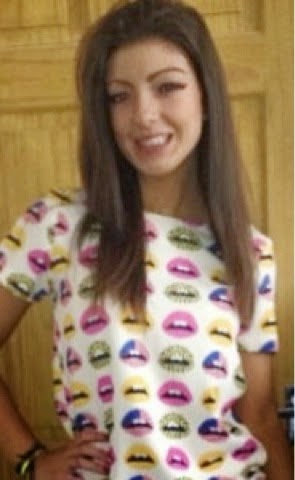


After:


Kane:

Before:
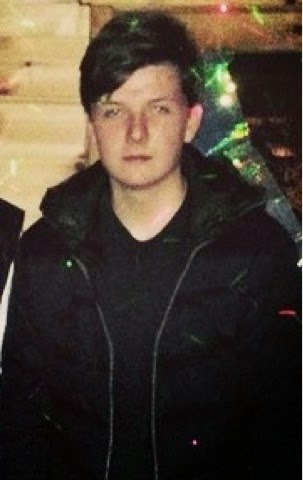


                                                                            After:


In conclusion I believe that our characters challenge the conventions of the thriller genre by having a male victim and a female antagonist. We expect the male to have more strength and power and to usually be the antagonist who focuses on a weaker and more vulnerable female however we have challenged these conventions to hopefully make a unique thriller with an interesting narrative which will hopefully intrigue a wider range audience to create a successful opening thriller sequence.


Monday, 10 November 2014

Planning Editing Styles - Miss Georgiou

Planning Editing Styles

This is a picture of my groups planning and ideas on what different editing techniques we want to include in our own opening thriller sequence.


Different editing styles are extremely important to include in a film because they create different elements such as shock, surprise , suspense and tension. These different elements help to keep the target audience engaged and also these help to show shots in a different manor and help the audience to understand what genre the film may be from. For example slow editing may be used in a thriller film as it is conventional as this creates tension and suspense as the audience anticipates what will happen next and whether the characters will survive different situations.  Also the different editing techniques have different impacts on the audience therefore our planning needs to be executed perfectly for our thriller film to be successful and have the most effective impact on our audience.

The first technique that my group planned to include in our production is slow editing. We decided to include this when the characters are all searching for each other through the forest. We decided to include this type of editing at this point because it will create a lot of tension and suspense as it will make the audience anticipate what will happen next and also give them a sense of foreboding as they don't know what to expect or whether the characters will find each other or whether something bad will happen to them first. It will build up the suspense as the audience become more curious and on the edge of their seat as they are eager to know what will happen. This type of editing technique is conventional to the thriller genre because of the high elements of suspense and tension that it will produce. The tension that will be created due to the slow editing will engage the audience and also start to make them feel nervous and paranoid as they want to know what happens next. Also due to the slow editing, the audience will be able to see clearer images of the characters and their facial expressions and body language that will also help them to engage and build a relationship with them.

The second technique that we have planned to use in our opening thriller sequence is the fade technique. We will be using this technique at the end of our piece. We have decided to use this technique at this point in our thriller production because it will create a cliff hanger effect for our audience. This is because it wont present to the audience what will happen next and this will make the audience frustrated but also create an enigma as it creates a mysterious atmosphere as the audience are left wondering what the final result is. This technique is conventional to the thriller genre because it builds tension and suspense. It also creates an enigma as when the scene fades out to black it represents the ending of the scene, so therefore when the production is left with the unknowing understanding of whether the remaining characters survive and escape or whether they are the next victims it will leave the audience on the edge of their seats and eager to watch more as they have already engaged with the narrative. Also this will make the audience paranoid and worried for the characters as they have built a relationship with the characters and now have the option to fear for them as they don't know what will happen to them next.

The third technique that we have chosen to include in the opening to our thriller sequence is montage editing. This is when shots are quickly juxtaposed together to create excitement and panic. We have decided to use this at the part of our piece during our chase scene near the end of our piece when all the characters are running in different directions trying to find a way out. Chase scenes are conventional to the thriller genre as they are a exciting but also nerve-wracking and there is usually one in most thriller films. This is because it creates tension, suspense and also shock when something is revealed towards the end.  During the chase scene this editing technique will create a better opportunity for the audience to build a relationship with the characters as it will show them feeling very fearful and expressing a lot of panic. This will make the audience feel sympathy and fear for the characters as they know that this sort of situation can only end positively or negatively where the characters will experience, pain brutality or death. Including this technique for our chase scene will engage the audience as they will experience the first piece of excitement from our piece and this will keep them hooked and make them want to carry on watching the film to see what happens next.

In conclusion I have found that planning the different editing techniques that we want to include in our own thriller sequence very helpful and beneficial. This is because it gives us the ability to create the sort of theme and atmosphere we want to create and also to plan the different impacts we want to force onto our audience at different points. It also helps us to realise the different elements we will be creating by just changing the speed, pace and positioning of our editing techniques. This is helpful for our group as we will understand beforehand what technique we want to use to help us create a different emotion for our target audience. We are hoping by following our planned techniques it will help us to create a successful opening thriller sequence.


Friday, 7 November 2014

Planning Mise- En-Scene - Miss Georgiou

Planning Mise-En-Scene

Mise-en-scene is important in the production of any film as mise-en-scene simple means everything that appears in the scene. This includes the setting and iconography, facial expressions and body language, lighting and colour, character representation and costume and makeup. Without these elements in the film it would be very plain boring and unprofessional as these are key things which make a film enjoyable for the audience to watch. There are certain elements of mise-en-scene which are conventional to the thriller genre, for example a knife for iconography and a hidden identity such as a mask for the costume and makeup. These sort of things help the audience to understand that the film is of a thriller genre and to make them aware that there will be scary parts of the film.


Setting and Iconography

Me and my group have planned to set our thriller sequence in a forest. We decided to set it in a forest because it is a conventional thriller setting and it is what the audience would expect. Straight away from our setting the audience will understand that our film is part of the thriller genre and will instantly be on the edge on their seats anticipating what will happen. We feel that the forest setting is the perfect setting for our thriller film as it is a wide open space which will make the characters feel vulnerable but it can also be seem as a dark and gloomy place at night time which will instantly give off a sense of foreboding which is what we want to create for the audience. Due to our narrative of a cannibal attack our film has a lack of iconography. However we have chosen to include a dog in our sequence to make it seem more realistic and relatable. We will be throwing a stick for the dog to build tension before the dog goes missing and everyone has to split up to look for it. This sort of action is a casual daily action which most of the audience will be able to relate to. We therefore chose this so the audience can feel as though they are almost part of our film and imagine themselves caring out this normal action.  This is conventional to the thriller genre because they usually try to include realistic relationships and scenarios to make the film seem more relatable to the audience.

Forest Setting


Facial Expressions and Body Language

Our group narrative is quite imaginative and unique and therefore our facial expressions and body language will have to be heightened to create the correct atmosphere and ideas that we want to present as a group. There will have to be many different facial expressions portrayed from our characters to ensure that the audience are aware of what is happening. The first imperative facial will be from Kane. He has to start becoming aware that something isn't right when I goes missing from helping him look for his dog. Kane has to portray a suspicious but worried look as he starts to notice a dilemma. His body language will also have to be quite reserved and reluctant as he wont want to make himself overly noticeable. Once I have jumped in front of Kane and shown myself his facial expression will be critical as this will be a shock moment for the audience. It will be one of our moments which will make the audience jump, so therefore Kane has to show the audience he is genuinely shocked and frightened. This will also make the audience surprised as they wouldn't expect me to be the antagonist of the film. I will also have key elements of body language and facial expressions that I will have to portray to make our thriller sequence successful. I will have to ensure that near the beginning of the scene that my body language is as normal and casual as I can make it to make sure that the audience don't suspect anything and try to make it easy for them to relate to me. This should be an easy task as our target audience are people of our own age group therefore our body language should be similar to their daily basis body language. However as the film goes on my body language will have to become stranger and make the audience suspicious. To ensure this I will have to make sure my facial expression are emotionless and make the audience feel as if I am possessed or there is something wrong with me. Also when I am being caught by one of the other characters I will have to make facial expressions which will make the audience feel as if I have ulterior motive which is what we want them to expect so they are surprised for the next jumpy part of our film. We are also hoping it will build tension for the audience.


Freddie's Body Language


Lighting and Colour

Our group have decided to use low key lighting and mostly dark colours. We have decided to do this as it gives an all round eerie and gloomy vibe and will make the audience feel a dark aura. We have decided to film our production at around 4 o'clock as due to the weather and the times at this moment it gets quite dark early and therefore we can use the natural light which will make it seem more realistic. The low key lighting that we will be using is conventional to the thriller genre because it connotes mystery and suspense. It will make the audience immediately understand that the film will be bleak and forlorn due to the dark colours and low lighting. This will eventually build up the tension throughout the film making the audience more paranoid which will make it easier for them to build relationships with the audience.

Low Key Lighting

Character Positioning

The characters don't appear in the film until the second frame. In this frame this is where Bettie and Kane are walking through the forest in a low angle shot calling for missing dog Bella. However the characters split up and then the next shot is Freddie also walking through the middle of the forest calling for missing dog Bella. Once this has happened the next few shots include only character Kane as he is on the phone and then we hear a scream on a black screen with our title. The next shot is a point of view shot where the antagonist is positioned with her back to the camera, you can see an arm poking out which we assume was character Kane who we just heard scream. Once the antagonist is revealed we keep all the victim characters in one frame together in all the following shots and we keep the antagonist in a frame on her own to show her dominance and power and to also show the victims vulnerability which will shock the audience due to the female representation of the antagonist. This is conventional to the thriller genre as we see a clear contrast between the victims and the antagonist. In the final chase scene where the victims are being chased by the antagonist who is constantly in her own frame this will create tensions and suspense as the audience anticipate whether the victims will escape or whether they will be attack and caught by the antagonist.

Character Positioning

Costume and Make-Up

We have planned in our group that our costume and makeup will be minimal. Our costume will be our casual clothes and our makeup will be minimal of what you would expect teenagers to wear on a daily basis. We have decided to have our costume and make-up in this way as it will make it more realistic and relatable for the audience. Also the audience wont suspect anything from our costume or make-up which will also be more of a shock when they realise that I am the antagonist as they would expect me to be a normal teenage girl. We hope to present the idea to the audience that the antagonist is unknown and is not already part of the group so that they are extremely surprised when they find out who the antagonist is. This type of minimal make-up and casual clothing is conventional to the thriller genre as they usually want the characters to seem as normal and relatable as possible so that the audience are more surprised when bad things happen to them as they expected them to just be normal people like themselves.

Bloody Antagonist


Planning Cinematography

Planning Cinematography

This is an example of the planning of cinematography that we will use in our own sequence. We have included the different shots we intend to use and in which parts of our clip. Planning the different shots for our thriller sequence is imperative because we need to ensure we can use certain shots to create the most effective scare points in our sequence. We need to plan to make our sequence as professional as it can be and to ensure that it doesn't look messy and unstable at any points throughout.


Cinematography is a key element in film production as it creates many different atmospheres and emotions in various film genres. They create different moods and feelings towards the audience and this is why different uses of cinematography are important for different genres. They help the audience to understand the genre of the film by changing the different shots and creating different angles and positions for us to watch during the sequence. For example a close up shot of a characters face is effective in the thriller genre as it shows characters facial expressions which are usually shocked or frightened.

The first piece of cinematography we choose to use in our sequence is a low angle shot. The purpose of this shot is to show me once I have killed the victim. The shot will show me looking bigger than I am as the camera is at a low angle looking up on me. We decided to use this shot as we are hoping it portrays me as a  powerful and scary character. We are hoping it does this as it will show me looking superior and in control of the situation This is conventional to the thriller genre as the antagonist is usually portrayed as superior and in control at some point of the film when things are usually going their way. Using this type of shot will help the audience build a relationship with the character as they will feel almost intimidated by me as I am portrayed as the antagonist, I am in control of the situation and therefore the audience will feel sympathetic for any characters that come in my way.


The second piece of cinematography that we have planned to include in our sequence is a high angle shot. The purpose of this shot is to show vulnerability. The shot will be used to show the characters walking through the forest and the beginning of our piece. This is to portray the sense that the characters almost don't know that they are being filmed which makes it seem more realistic but also to give a sense of foreboding. We are hoping to portray the characters as normal people which makes the atmosphere seem more realistic but also make the audience feel that something is looming and that the characters may be in danger. This will help the audience to build a relationship with the characters as they will feel on the edge of their seat as they anticipate what will happen to the characters. We decided to use a high angle shot as the high shot shows the characters looking small and almost hopeless, this is what we wanted to portray as it gives the sense of foreboding which we want the audience to feel. This is conventional to the thriller genre because the victims are usually portrayed as hopeless and out of control, this makes the atmosphere seem more dull and scarier because the audience know that if something bad begins to happen there is nothing the characters can do. This also builds tension as the audience anticipate what will happen.


The third piece of cinematography that we planned to use in our sequence is en eye level shot. The purpose of this shot is to portray casualty and make it seem more realistic to the audience. This type of shot will portray the characters having a normal conversation and it will help for the sequence to flow. The eye level shot makes the audience feel as if they are involved I'm the conversation and as if they are part of the scene. This us conventional to the thriller genre because they want to make the audience feel comfortable and secure about the characters. By making the characters seem normal and casual it makes it easy for the audience to build relationships with the characters and makes it seem more shocking when the antagonist attacks the characters. We wanted to portray the characters having normal conversation to help make our sequence seem as realistic and professional as possible.

 
The fourth piece of cinematography that we plan to use in our own thriller sequence is a zooming in technique. The purpose of this shot is to emphasise on certain parts we want the audience to fixate on. For example once I have killed Kane the camera will slowly zoom into my mouth which we will make evident that it is covered in blood. We chose this shot as it will ensure that the audience realise what has happened but also it will shock the audience as it is an unusual narrative and they would probably have expected me to have used a weapon to kill him like a knife of a gun. Zooming in is conventional to the thriller genre because it builds tension and makes the audience feel scared as it gets closer, they would usually expect something to jump out and they don't usually want to see what the zooming in is leading up to as it is usually leading to a scary part of the film. We want to portray tension as the zooming in will be slow and gradual , this is because we want the audience to anticipate what has happened, we want them to wonder whether I have killed Kane or any of the other characters.

 
The fifth piece of cinematography that we are planning to include in our opening thriller sequence is a close up shot. This shot will be evident when the characters in the scene realise what has happened, we want to use the shots to show the characters facial expressions and to portray fear. A close up shot will ensure that the fear on the characters face will be shown. This is conventional to the thriller genre as close up shots show the clearest picture of how a character is feeling, for example a close up shot it used in thrillers to help the audience to understand how a character is feeling and to predict what may happen next. It helps the audience to build a relationship with the characters as they can sympathise and feel sorry for characters that portray fear and shock, this is how we want the audience to feel when they see the fear portrayed on the characters faces in the close up shot.

 
The final piece of cinematography that we plan to use is a panning technique. This is when the camera pans across the screen from side to side usually showing a long shot and showing a wide range of the setting. We will use this shot when in the forest and throwing a stick for the dog, also to show the setting and the wide open area. We want to portray that the forest is a huge open space and we want to create an atmosphere which makes the audience feel worried for the characters, we also want to make the audience feel as if the characters aren't alone. We want to make them feel as if the antagonist is an unknown presence but then reveal that it is already someone inside of the group. Panning is conventional to the thriller genre because it shows the setting and also the narrative as it is usually to show an action which requires space. For example throwing a stick for the dog. It helps the audience to build relationships with the characters as it makes them clear to see what the characters mare doing and whether they feel comfortable in the setting. We decided to include this shot as it will reveal a lot of information in one shot and will also give a sense of foreboding and create an eery atmosphere.

 
In conclusion this planning will help me when creating my own thriller sequence because to has given me ideas about the narrative and I have a clearer understanding of the different techniques we are going to use as a group. It has helped me to understand what different shots are effective and can make certain parts of our sequence seem more frightening which is conventional to the thriller genre. These techniques make the sequence more conventional because their different angles and speeds create different emotions towards the audience such as shock, surprise, suspense and tension. For example the panning shot can be shot at a slow pace to create tension and leave the audience wondering if something is about to pop out and scare them.


Planning Sound

Planning Sound 


Sound is important in a thriller film because it helps to create different elements that are conventional to the thriller genre such as suspense, surprise, shock and tension. The sound helps to emphasise certain parts of a scene that are meant to scare the audience or create joy. There are different types of sound that is used in films, a few examples of this is non diegetic sound, diegetic sound, parallel sound and off screen sound. Sound is important as it helps to make a scene more exciting or interesting and helps to present the style and genre of the film to the audience.

The first sound technique my group planned to use is non diegetic sound. This is sound that is added into the scene and can't be heard by the actors on set. This includes sound effects. We have chosen to use this when I as the antagonist turn around in a close up shot to reveal I am the killer and a cannibal. We have decided that a loud screeching sound will be played as I turned around. This type of sound effect is used to show that I am clearly the antagonist and that I should be feared by the audience. This is conventional to the thriller genre as a loud sound is usually portrayed when the antagonist is revealed as it scares the audience and makes them jump.

The second sound technique we will be using is parallel sound. This is where sound that is used in a scene is sound that we would expect. For example children chanting "trick or treat" in a Halloween film, or a high pitched scream as the antagonist attacks a female victim. My group have planned to use parallel sound in our chase scene, the characters will be screaming as they are being chased and can't find the correct escape route. This is conventional as characters are usually distressed during the chase scene in thriller films as this is the part where the audience anticipate the verdict of the chase scene and are on the edge of their seats wondering whether the characters will survive or be the killers next victims. Another example of parallel sound that we will use is casual conversation between our characters. My group and I decided this would be a good sound technique to use because it makes our scene seem more realistic and will help the audience to relate to the characters and also build a relationship with them as they will be represented as normal people similar to the audience.

The third sound technique we will be using in our opening thriller sequence is off screen sound. This is natural sound that you can hear but can't see what is producing it on screen. We have decided to use this when one of the friends reveals me as the antagonist and also in the chase scene. The sounds that we will play will be footsteps, mumbling sounds and heavy breathing. We will also hear the character mumbling and questioning what is going on as they slowly walk up to me and Kane crouched on the floor before they realise what has happened and that I have killed Kane. The main purpose of this being to create tension and make the audience feel on the edge of their seats. This is conventional to the thriller genre as tension is usually created before a scary part in a scene to make the impact stronger and more scarier for the audience. The natural footsteps sound will also be effective as they can hear and understand what this type of sound is portraying however the cannot see where it is coming from which will leave them wondering and anticipating all the different characters they have built relationships with of their intentions and characteristics and whether they could be the antagonist.

The final sound technique we will use is diegetic/on screen sound. This is sound that the actors can hear whilst on set and also sound which we can see where it is coming from within the scene. My group have planned that we use this type of sound in conversation between characters and also natural sounds such as the crunching if the leaves as we walk on them. This type of sound is conventional to the thriller film as it represents a more natural atmosphere and makes it seem more realistic and relatable to the audience. They can imagine themselves in this situation as the majority of our audience would have probably been in the forest before and experienced the sound of crunching on leaves themselves. When the audience can imagine themselves in the situation it also helps them to build relationships with the characters, this is because they can relate to what is happening and therefore understand how the characters may be feeling. So when the characters start to experience fear and paranoia the audience can start to feel sympathy and fear for them.
 
In conclusion these techniques have made the sequence more conventional due to the different emotions they create for the audience such as shock, surprise, suspense and tension which are all key elements of the thriller genre. This post has helped me to get prepared for my own filming and production of our opening thriller sequence as there is some natural sounds that we may need to consider such as the mumbling, footsteps and the wind and also we may need to find a setting where it is quiet enough for us to make our own sounds which will work successfully within our opening thriller sequence.


Thursday, 23 October 2014

Preliminary Task - Miss Miller

Preliminary Task

The other members of my group are Malu Pillai and Kane Faulkner-Wild. I filmed the task whilst Kane and Malu acted. The purpose of the preliminary task was to get familiar with the different equipment we will be using for our own opening thriller sequence and to understand how it works and how use the equipment successfully. It was also to experiment with the different camera angles and shots. We had to film a short conversation between two people. We had to include a panning shot of one of the people entering the room and then a shot reverse shot of the two people having a conversation and then an over the shoulder shot and also a long shot of the setting and also a close up shot . The sequence had to be less than a minute long. Once we had finished shooting the sequence we came back to class and uploaded the clips onto Final Cut Pro where we watched it back and quickly edited the sequence together. We cut out the parts that were unsuccessful and then we watched it back in order to see how the filing had  gone. Once we had finalised and was happy with how our preliminary task sequence had come together we uploaded it onto Youtube.

We had to use different camera techniques whilst experimenting filming. We had to include different shots such as a long shot, a close up shot, shot reverse shot, an over the shoulder shot and a panning shot. We used the panning shot to show Kane entering the room and also Malu and Kane leaving the room. The shot reverse shot was used to show Malu and Kane's conversation. It showed Malu's face then Kane's face and then back to Malu's face again. The close up shots were of Kane and Malu's face to show their facial expressions. The over the shoulder shot was used when Kane tells Malu to leave. We also had to experience the tripod whilst filming to familiarise ourselves with it as we will be using it when we film our own thriller sequence as it keeps the camera firm and steady. However when we tried to use the tripod when filming our preliminary task we found it difficult to correctly use it as the camera kept falling out and we couldn't keep the tripod up right. Therefore we had to use the hand held camera technique. We will have to practise using our tripod before we film our own original piece. I think that our group used the different shots well, using them correctly and in the suitable parts of our film. Although we concluded every shot required, some took more time than others as they didn't come out the way we wanted them to. For example our panning shot looked uneven to the shot before and we tried various times to get it as close as possible as we could. I think my group perhaps struggled with the editing process once we had filmed our preliminary task. There is parts of the clip that could have been cut shorter so that the film flowed more consistently, for example when Kane enters the room to when Malu first speaks. I think if we were to do our preliminary task again we would work differently to try and use our tripod as our film was a bit shaky due to me holding the camera whilst filming. This will have to be done differently when we film our own thriller sequence as we want it to look professional and smooth. We will make sure we don't make this mistake again by constantly practising how to use the tripod correctly and effectively.
The use of various different camera shots will definitely help us when producing our own thriller sequence as it makes the film more interesting when the audience can experience different things being shown to them in different ways. We can also make some of the shots seem more scary, for example a close up shot to scare the audience and make them jump.
Watching our clip back after it was quite easy to notice some of the silly mistakes we had made. One example of a mistake we made would be the cutting of shots in the editing. We left some of the shots to long before the next shot which made our film look inconsistent and unprofessional. Another mistake was near the end of our film when Malu and Kane get up to leave. As the over the shoulder shot finishes and the panning shot begins they don't match up and they look like they don't join together which also looks unprofessional as all the shots should flow. The final mistake I noticed was how shaking some of the shots looked as I was filming it with just my hands. It made the film look unprofessional and messy. Therefore we need to use the tripod when we go to film our thriller sequence.

This task helped me in preparing for my own thriller film because it gave us experience on how to use the different equipment and to find out the groups strengths and weaknesses so we know what to work on for next time. I learnt from the task that the equipment can be tricky to use at times and they sometimes required detailed focus in order to work effectively. However I also learnt that my group work well together and can provide each other with different ideas and opinions to improve our work.
There's certain things we need to keep the same and change when we film our own thriller sequence. We should keep the same variety of different shots and the consistent flow of conversation and acting as it looked realistic. However we do need to change how we edit our film after we have filmed it and ensure that it looks professional and flows with ease. It is also imperative that we use the tripod when filming our real piece this because it makes the film steady and firm and look professional instead of using a shaky hand held technique.


Friday, 17 October 2014

Group Narrative - Miss Georgiou

Group Narrative

In my group there are three members including me, my other two group members are Kane and Malu.

Group Member 1 : Bettie Cooper

The narrative I've come up with is the theme of cannibalism. This is when people eat other people. I think this is an unusual narrative an the idea is quite mysterious and disturbing. I think this would surprise people which is an element of thriller. Two characters are walking in the forest when they discover something isn't right and they are not alone. They could be walking their dog and when it runs off and goes missing they have to split up to look for it by themselves. This could be where something starts to go wrong and things start to become suspicious.
My idea of a good setting for my short thriller sequence is in the forest at night time. I think this would be a good setting because it is automatically associated with frightening themes at night time. The iconography that we could use would be masks. This could be to show a hidden identity and make the murderer seem more mysterious and unknown. The use of masks makes sure that the audience cant build a relationship with the characters and it makes them anticipate what they may be like and what their intentions are. A good use of iconography would be weapons to use in my short thriller sequence. These weapons could include things such as a knife, a gun or perhaps a bat. This is because it is conventional to the thriller genre because the antagonist usually uses weapons to assist their attacks but also because it makes the audience feel more frightened and it creates suspense to what the weapons will be used for which always leads to death, pain or brutality.
I think the weather should be cold, muggy and dull. This is because it is conventional to the thriller genre as it immediately gives a negative and cold feel to it, it makes the audience feel as if something bad is about to happen. and it gives them a sense of foreboding.

Advantages:

  • Unusual and different narrative, not many people will think of the idea. 
  • Forest setting is conventional to the thriller genre as it is isolated and the characters will feel vulnerable in this setting
Disadvantages:

  • Hard to film if we were to film the eating action 
  • Could be seen to be a bit unrealistic


Group Member 2 : Kane Faulkner-Wild

My Film is going to be located in the forest. It will consist of a group of friends that take a stroll into the forest, they have an argument and one of the characters walks a head of the group (female), what no one noticed is that they was being stalked by two men in white masks. Once the girl is far enough ahead of the group the two stalkers show themselves. The group who are remaining split up to try and find the girl not knowing that she is has now been kidnapped by the two masked men. The group then meet back up after not finding their missing friend, but now there is another missing person in the group.The group decide to stick together and leave the forest assuming the other two must be together. The group then see one of their friends lying dead in the bushes. They then panic and try and run out the forest as they bump into the two men.The mise en scene will be set in the forest.Iconography - The white masks.There will be cinematography, a range of different camera angles to make the killers seem scary.Our target audience will be 15 plus, mainly between 15-20 but aimed at the mass market as it the thriller genre is watched by all ages.

Advantages:

  • Conventional to the thriller genre, for example a forest location
  • Unidentified killer is conventional to the thriller genre and creates an enigma 


Disadvantages:
  • Quite a common and conventional thriller narrative idea
  • Audience may feel as if the characters are hard to build relationships with

Group Member 3 : Malu Pillai

In this opening sequence, it would start by showing the setting of where the scene is set by displaying a panning of the forest. The lighting that would be shown would be low key as it would create more suspense and enigma which is conventional to the thriller genre. After the setting is displayed, the frame would then display a slow zooming in into the two characters walking their dog so that we see a rough image of what the two characters look like and hear a typical conversation they would be having to represent their personalities. After this is displayed, it would be cut so immediately the focus is on the dog once it starts to sense that the bad omen is nearby and runs off. As the dog is running off, it will then cut straight into one of the characters point of view angle so that as the audience we can see what they are viewing and can see everything from their perspective to add more suspense. The camera angle will then change into a extreme long shot so that the audience can see the two characters split up and go different directions while we also see the focus on the background showing that they are isolated and have no one to help them adding more tension to the sequence. After the two characters have shown their two different departures it would then change into the dogs point of view perspective and would slowly starting zooming in towards the back of the antagonist once the dog discovers that she is a cannibal and is eating the other characters. At this point we would then show her turning round to face the dogs perspective with her face covered in blood in a slow editing to add more suspense and shock towards the sequence and to add enigma and to display what she has done. After this the sequence would slowly fade out to leave the audience in shock and leave them with an untold enigma.

Advantages:

  • Having the dogs POV shot is quite unusual and creates suspense and unfamiliarity as we wouldn't expect the dogs point of view to be shown 


Disadvantages:
  • Audience may find the narrative hard to understand at first as they may get easily confused and think the dog ate Kane and was the murderer.
 

Final Group Narrative

Characters:
  • Kane
  • Bettie
  • Kanes friend
  • Maisy
  • Billy
  • Stacey

Our final group narrative that we've come up with is a group of 5 friends walking a dog in the forest. They are all playing with the dog when they throw a ball for the dog , the dog runs after it but doesn't come back.  Kane being the victim and the owner of the dog he takes it into his own hands to make sure everyone splits up to look for Bella. The group split up into all groups of 2 , Bettie & Kane and then Kanes friend, Maisy, Billy and Stacey. From a POV shot one of the friends can see kane of the floor and Bettie kneeling down beside him however it is her back so they cant see her face. They start to call Bettie and when she doesnt answer they start to get suspicious, as they slowley walk over to Bettie this is a part where we will add in tense music and build up the suspence. As the friends reaches Bettie and goes to tap her shoulder, Bettie sharply turns round in a close up shot looking possesed this is a part which will make the audience jump. The friend screams and runs as fast as they can. They run around the forest rapidly trying to find their other friends. This is the beginning of a chase scene between the friends and Bettie the antagonist which is conventional to the thriller genre. Once all the friends find eachother they are panicking and trying to figure out what to do and how to escape the forest whilst avoiding Bettie. Whilst this is happening you can see Bettie lurking in the trees as if she is planning her own plan on how to kill and eat the rest of her friends. The friends decide they need to escape as quick as possible, stick together and run as fast as they can out of the forest. As they run they spot Bettie standing in their path infront of them, this scares then and they automatically run in a different direction Bettie slowly walks behind them, the seuqnece will end here on a cliffhanger and an enigmas as we don't know whether the friends escape or become the next villians on Betties list.

Tzvetan Todorov Theory

We have decided that the final narrative of our thriller sequence falls into Todorv's theory. Todorov's theory is that all films follow the same pattern. This pattern is when the film goes through stages of equilibrium and disequilibrium; this means balanced and unbalanced. For example a film starts of balanced until there is disruption which causes disequilibrium. By the end of the film the disruption has to be resolved so that everything is balanced again and makes it end with an equilibrium state. This means the film should start and end with everything how it should be. We think that our narrative idea falls into Todorov's theory because it starts with equilibrium and then disruption occurs which causes the unbalance in our narrative. However the only disadvantage of our narrative falling into this theory is that because our short sequence ends on a cliff hanger we don't get to balance then end of the sequence and create the final state of equilibrium.